
Perth Translation Services » Arabic Translation Services » Arabic Degree Certificate Translation
Arabic Degree Certificate Translation
 Get certified Arabic >degree certificate translation by NAATI certified Arabic translators.
Certified degree certificate translation is required for official use in Australia. Our Arabic NAATI translators are experienced in delivering certified translations for degree certificates and all other school / academic result documents used for submission for enrolment or migration purposes.
All certified degree certificate translations prepared by NAATI translators are usually delivered within 24-48 hours.
Upload your documents here
Birth Certificate Translation
The most common and important document for proof of identity and parent information. Free Quote
Marriage Certificate Translation
Marriage certificate translation for visa application and citizenship application. Free Quote
Driving Licence Translation
Get NAATI certified licence translation for vehicle rental or licence conversion in Australia. Licence Translation
Degree Certificate Translation
NAATI certified translation Degree / Diplomas / Transcripts for schools, jobs or skills assessment.Order Now
Latest Testimonials

Arabic (NAATI) Translator
Get the best Arabic degree certificate translators that are NAATI accredited in Australia. To begin your Arabic degree certificate translation, upload your documents using the form on this page for a quick quote.
About the Arabic Language
Arabic is a Central Semitic language that first emerged in Iron Age northwestern Arabia and is now the lingua franca of the Arab world. It is named after the Arabs, a term initially used to describe peoples living from Mesopotamia in the east to the Anti-Lebanon mountains in the west, in northwestern Arabia, and in the Sinai peninsula.
The sociolinguistic situation of Arabic in modern times provides a prime example of the linguistic phenomenon of diglossia, which is the normal use of two separate varieties of the same language, usually in different social situations. 'Tawleed' is the process of giving a new shade of meaning to an old classical word. For example 'Al Hatif' lexicographically, means the one whose sound is heard but whose person remains unseen. Now the term 'Al Hatif' is used for a telephone. Therefore, the process of 'tawleed' can express the needs of modern civilzation in a manner that would appear to be originally Arabic. In the case of Arabic, educated Arabs of any nationality can be assumed to speak both their school-taught Standard Arabic as well as their native, mutually unintelligible "dialects"; these dialects linguistically constitute separate languages which may have dialects of their own. When educated Arabs of different dialects engage in conversation (for example, a Moroccan speaking with a Lebanese), many speakers code-switch back and forth between the dialectal and standard varieties of the language, sometimes even within the same sentence. Arabic speakers often improve their familiarity with other dialects via music or film.
The issue of whether Arabic is one language or many languages is politically charged, in the same way it is for the varieties of Chinese, Hindi and Urdu, Serbian and Croatian, Scots and English, etc. In contrast to speakers of Hindi and Urdu who claim they cannot understand each other even when they can, speakers of the varieties of Arabic will claim they can all understand each other even when they cannot. The issue of diglossia between spoken and written language is a significant complicating factor: A single written form, significantly different from any of the spoken varieties learned natively, unites a number of sometimes divergent spoken forms. For political reasons, Arabs mostly assert that they all speak a single language, despite significant issues of mutual incomprehensibility among differing spoken versions.
From a linguistic standpoint, it is often said that the various spoken varieties of Arabic differ among each other collectively about as much as the Romance languages. This is an apt comparison in a number of ways. The period of divergence from a single spoken form is similar—perhaps 1500 years for Arabic, 2000 years for the Romance languages. Also, while it is comprehensible to people from the Maghreb, a linguistically innovative variety such as Moroccan Arabic is essentially incomprehensible to Arabs from the Mashriq, much as French is incomprehensible to Spanish or Italian speakers but relatively easily learned by them. This suggests that the spoken varieties may linguistically be considered separate languages.
Migration document translation examples
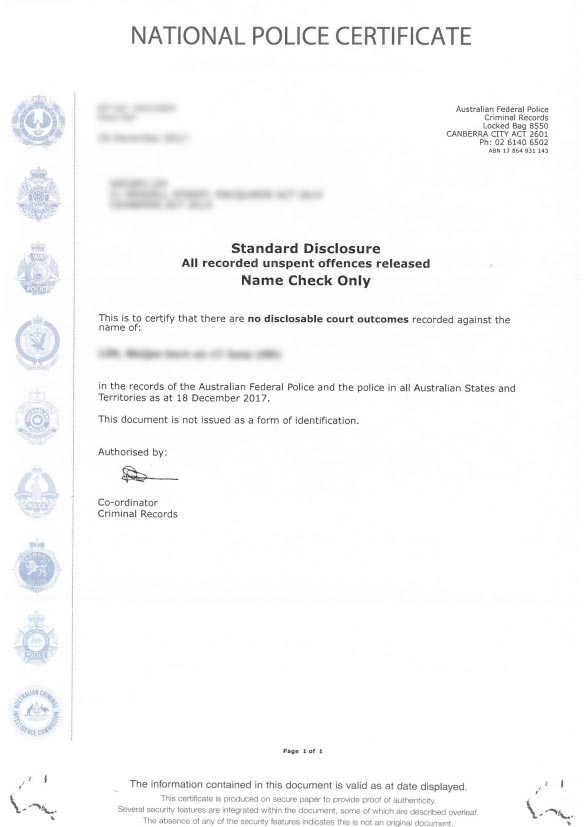

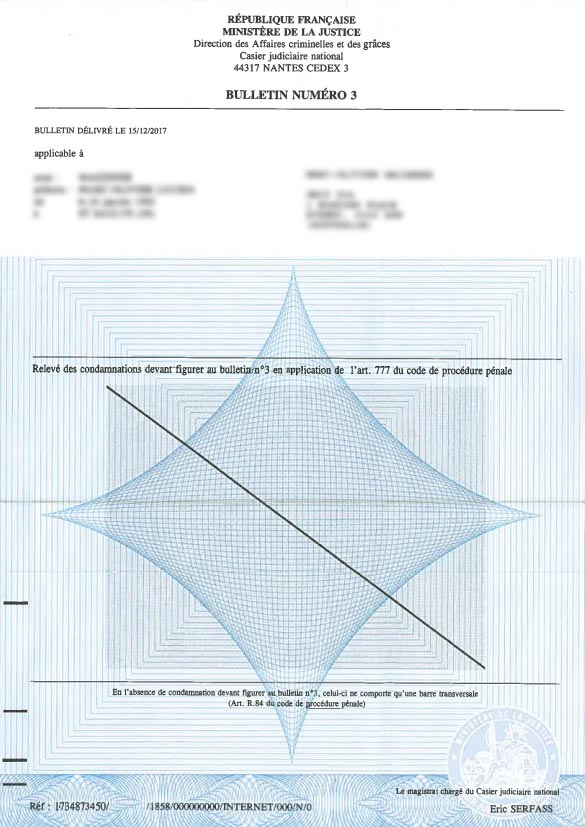
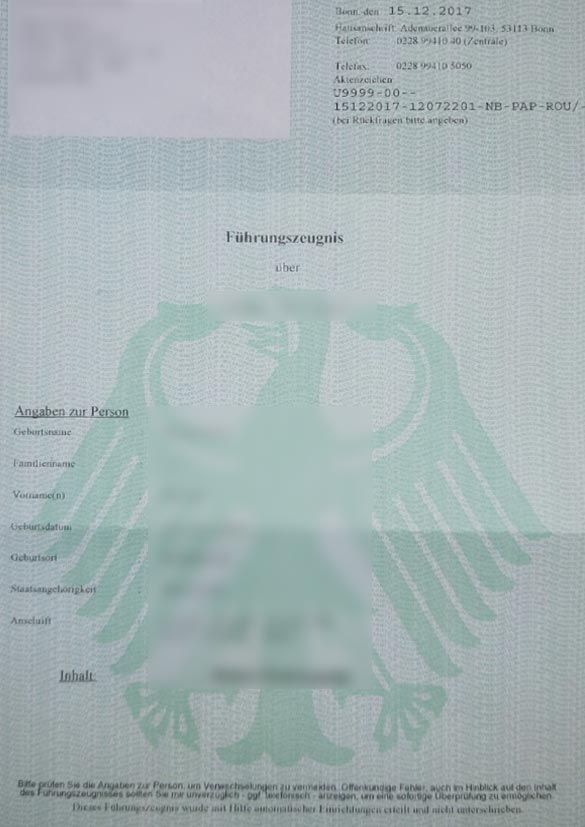
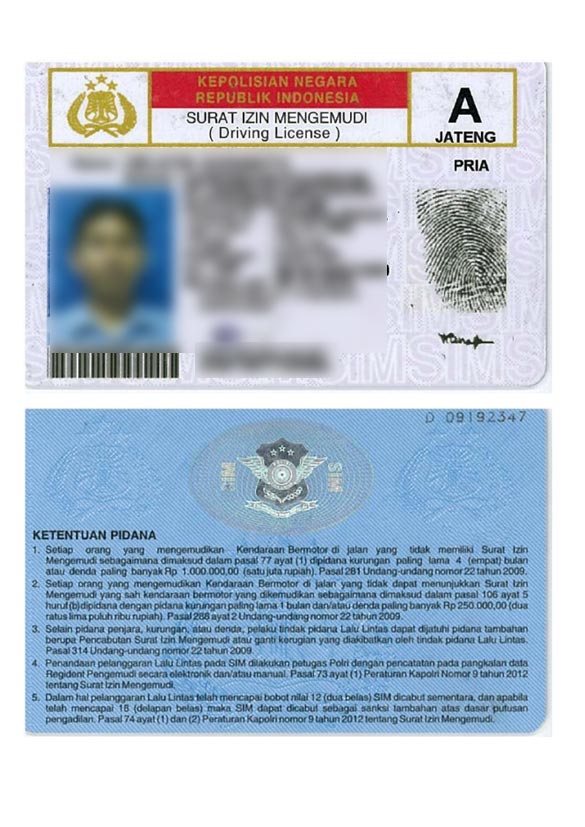
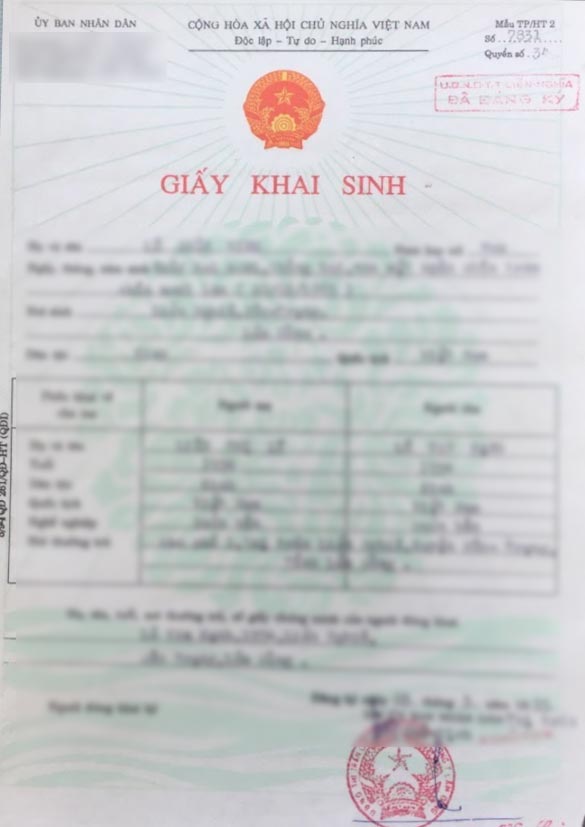
NAATI Certified Arabic Translator Service
Other documents we translate:
- Arabic driving licence translation
- Arabic financial document translation
- Arabic bank statement translation
- Arabic birth certificate translation
- Arabic marriage certificate translation
- Arabic name-change certificate translation
- Arabic degree translation
- Arabic diploma translation
- Arabic employment record translation
- Arabic school transcript translation
- Arabic passport translation
- Arabic police report translation
- Arabic no-criminal record translation
- Arabic personal letters and cards
- Arabic utility bill translation
- Arabic death certificate translation
- Arabic medical record translation
- Arabic legal document translation service
- Certified Arabic translation for AHPRA
- Certified Arabic translation for Engineers Australia
- Certified Arabic translation for IMMI, DFAT
- Certified Arabic translator for UAC
- Arabic to English translation for local Australian universities
- English to Arabic translation for overseas universities
We provide both Arabic to English translation and English to Arabic translations by NAATI translators.
More Arabic Translator Services
- Arabic brochure translation
- Arabic marketing translation
- Arabic technical translation
- Arabic medical translation
- Arabic financial document translation
Perth NAATI certified translators for degree certificates are based all around Australia besides Perth, including Sydney, Melbourne, Brisbane and Adelaide.
