
Perth Translation Services » Hebrew Translation Services » Hebrew Birth Certificate Translation
Hebrew Birth Certificate Translation
Get NAATI certified Hebrew translators for certified Hebrew birth certificate translation. All certified Hebrew to English translations prepared by NAATI certified translators are usually delivered within 24-48 hours.
Certified birth certificate translations are often required for legal purposes in Australia. Our Hebrew NAATI translators are experienced in delivering certified translations for birth certificates and all other personal documents for submission to the immigration department.
Get a quote
Latest Testimonials
Hebrew (NAATI) Translator
Get the best Hebrew birth certificate translators that are NAATI accredited in Australia. To begin your Hebrew birth certificate translation, upload your documents using the form on this page for a quick quote.
About the Hebrew Language
The Hebrew language is a Semitic language. It is the language of the Jews. The Academy of the Hebrew Language is the main institution of the Hebrew language.
The language was spoken by Israelites a long time ago - during the time of the Bible. After Judah was conquered by Babylonia, the Jews were taken captive to Babylon and started speaking Aramaic. Hebrew was no longer used as much in day-to-day life, but it was still known by Jews who studied religious books.
Hebrew has been revived several times as a literary language, most significantly by the Haskalah (Enlightenment) movement of early and mid-19th-century Germany. In the early 19th century, a form of spoken Hebrew had emerged in the markets of Jerusalem between Jews of different linguistic backgrounds to communicate for commercial purposes. This Hebrew dialect was to a certain extent a pidgin. Near the end of that century the Jewish activist Eliezer Ben-Yehuda, owing to the ideology of the national revival (שיבת ציון, Shivat Tziyon, later Zionism), began reviving Hebrew as a modern spoken language. Eventually, as a result of the local movement he created, but more significantly as a result of the new groups of immigrants known under the name of the Second Aliyah, it replaced a score of languages spoken by Jews at that time. Those languages were Jewish dialects of local languages, including Judaeo-Spanish (also called "Judezmo" and "Ladino"), Yiddish, Judeo-Arabic, and Bukhori (Tajiki), or local languages spoken in the Jewish diaspora such as Russian, Persian, and Arabic.
The major result of the literary work of the Hebrew intellectuals along the 19th century was a lexical modernization of Hebrew. New words and expressions were adapted as neologisms from the large corpus of Hebrew writings since the Hebrew Bible, or borrowed from Arabic (mainly by Eliezer Ben-Yehuda) and older Aramaic and Latin. Many new words were either borrowed from or coined after European languages, especially English, Russian, German, and French. Modern Hebrew became an official language in British-ruled Palestine in 1921 (along with English and Arabic), and then in 1948 became an official language of the newly declared State of Israel. Hebrew is the most widely spoken language in Israel today.
In the Modern Period, from the 19th century onward, the literary Hebrew tradition revived as the spoken language of modern Israel, called variously Israeli Hebrew, Modern Israeli Hebrew, Modern Hebrew, New Hebrew, Israeli Standard Hebrew, Standard Hebrew, and so on. Israeli Hebrew exhibits some features of Sephardic Hebrew from its local Jerusalemite tradition but adapts it with numerous neologisms, borrowed terms (often technical) from European languages and adopted terms (often colloquial) from Arabic.
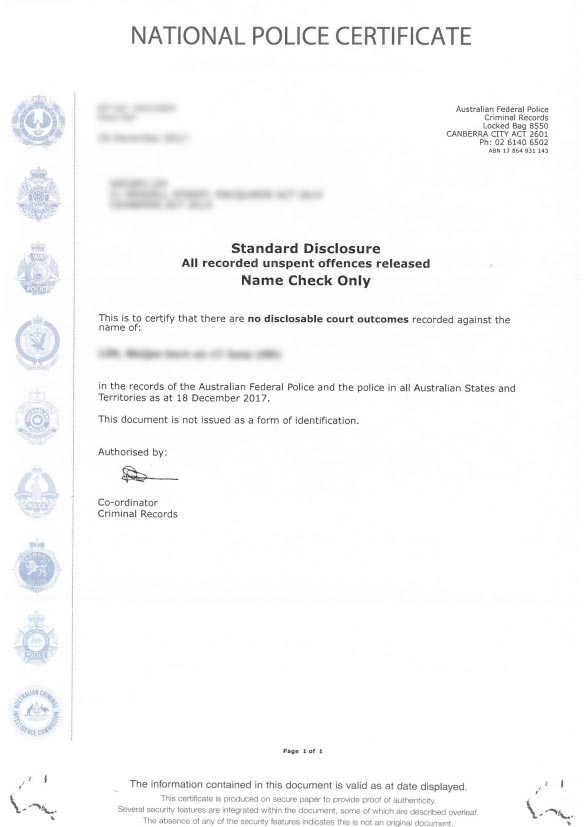
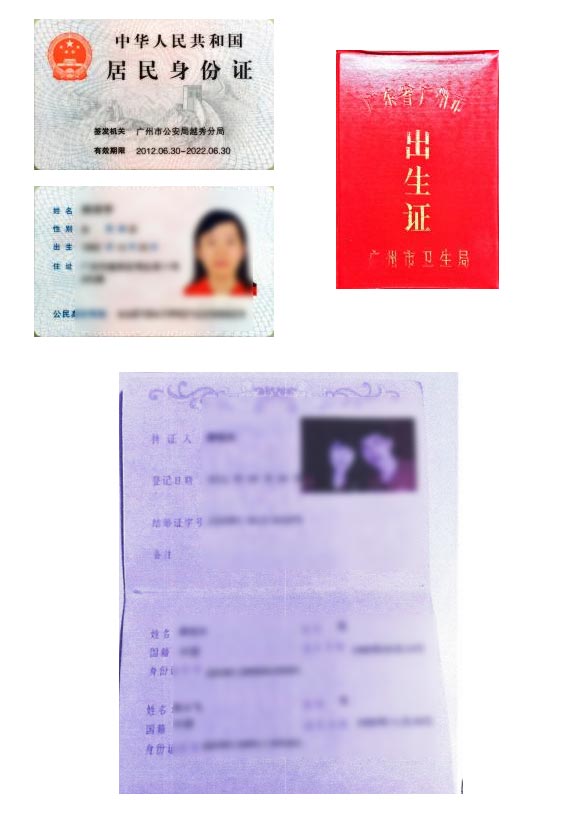
Migration document translation examples
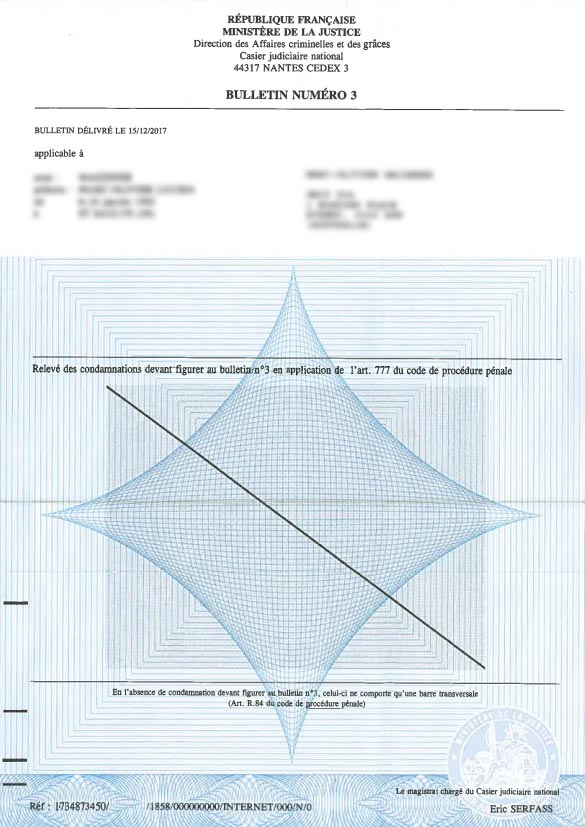
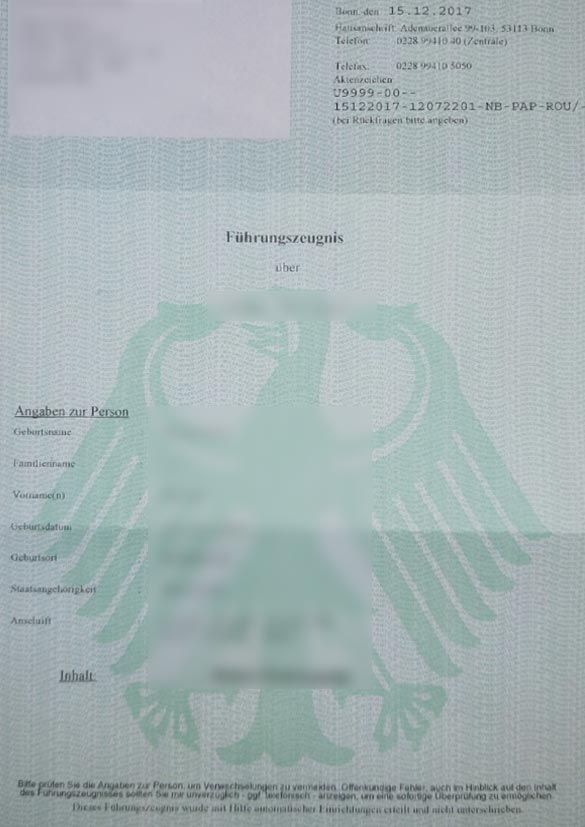
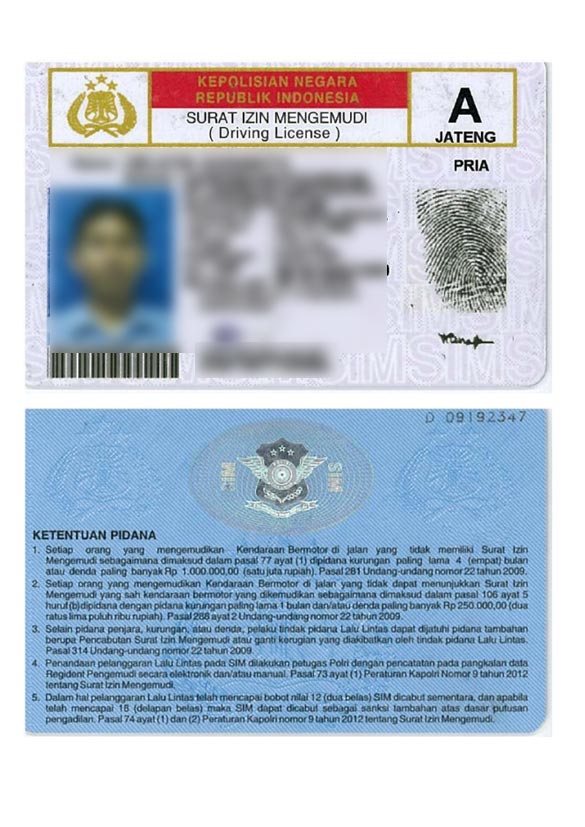
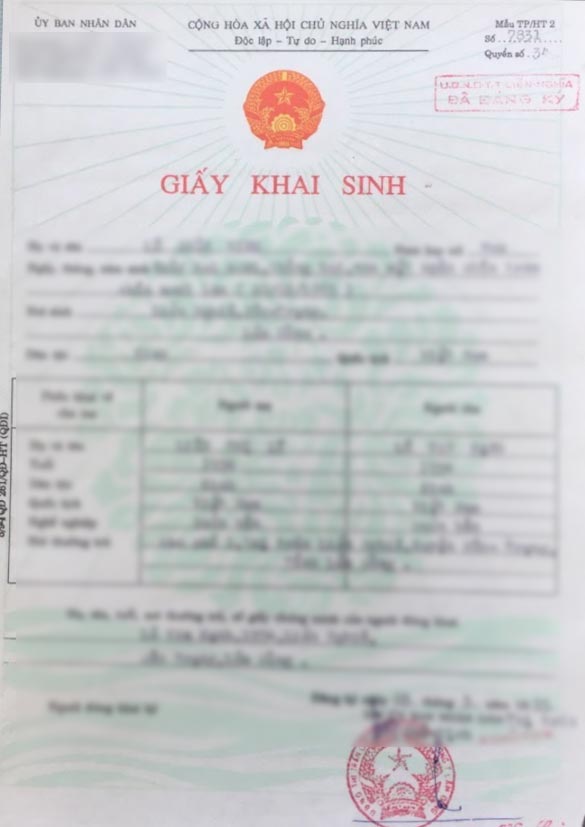
NAATI Certified Hebrew Translator Service
We provide both Hebrew to English translation and English to Hebrew translations by NAATI translators.
- Hebrew driving licence translation
- Hebrew financial document translation
- Hebrew bank statement translation
- Hebrew birth certificate translation
- Hebrew marriage certificate translation
- Hebrew name-change certificate translation
- Hebrew degree translation
- Hebrew diploma translation
- Hebrew employment record translation
- Hebrew school transcript translation
- Hebrew passport translation
- Hebrew police report translation
- Hebrew no-criminal record translation
- Hebrew personal letters and cards
- Hebrew utility bill translation
- Hebrew death certificate translation
- Hebrew medical record translation
- Hebrew legal document translation service
- Certified Hebrew translation for AHPRA
- Certified Hebrew translation for Engineers Australia
- Certified Hebrew translation for IMMI, DFAT
- Certified Hebrew translator for UAC
- Hebrew to English translation for local Australian universities
- English to Hebrew translation for overseas universities
