
Perth Translation Services » Hungarian Translation Services » Hungarian Degree Certificate Translation
Hungarian Degree Certificate Translation
 Get certified Hungarian >degree certificate translation by NAATI certified Hungarian translators.
Certified degree certificate translation is required for official use in Australia. Our Hungarian NAATI translators are experienced in delivering certified translations for degree certificates and all other school / academic result documents used for submission for enrolment or migration purposes.
All certified degree certificate translations prepared by NAATI translators are usually delivered within 24-48 hours.
Upload your documents here
Birth Certificate Translation
The most common and important document for proof of identity and parent information. Free Quote
Marriage Certificate Translation
Marriage certificate translation for visa application and citizenship application. Free Quote
Driving Licence Translation
Get NAATI certified licence translation for vehicle rental or licence conversion in Australia. Licence Translation
Degree Certificate Translation
NAATI certified translation Degree / Diplomas / Transcripts for schools, jobs or skills assessment.Order Now
Latest Testimonials

Hungarian (NAATI) Translator
Get the best Hungarian degree certificate translators that are NAATI accredited in Australia. To begin your Hungarian degree certificate translation, upload your documents using the form on this page for a quick quote.
About the Hungarian Language
Hungarian is a Finno-Ugric language, which is a member of the Uralic language family. The group of Finno-Ugric languages also includes Finnish, Estonian, Lappic (Sámi) and some other languages spoken in the Russian Federation. Out of these it is Khanty and Mansi that are the most closely related to Hungarian. The Hungarian name for the language is magyar.
The traditional view holds that the Hungarian language diverged from its Ugric relatives in the first half of the 1st millennium BC, in western Siberia east of the southern Urals. The Hungarians gradually changed their lifestyle from being settled hunters to being nomadic pastoralists, probably as a result of early contacts with Iranian (Scythians and Sarmatians) or Turkic nomads. In Hungarian, Iranian loanwords date back to the time immediately following the breakup of Ugric and probably span well over a millennium. Among these include tehén ‘cow’ (cf. Avestan dhaénu); tíz ‘ten’ (cf. Avestan dasa); tej ‘milk’ (cf. Persian dáje ‘wet nurse’); and nád ‘reed’ (from late Middle Iranian; cf. Middle Persian nāy).
Archaeological evidence from present day southern Bashkortostan confirms the existence of Hungarian settlements between the Volga River and the Ural Mountains. The Onogurs (and Bulgars) later had a great influence on the language, especially between the 5th and 9th centuries. This layer of Turkic loans is large and varied (e.g. szó "word", from Turkic; and daru "crane", from the related Permic languages), and includes words borrowed from Oghur Turkic; e.g. borjú "calf" (cf. Chuvash păru, părăv vs. Turkish buzağı); dél ‘noon; south’ (cf. Chuvash tĕl vs. Turkish dial. düš). Many words related to agriculture, state administration and even family relationships show evidence of such backgrounds. Hungarian syntax and grammar were not influenced in a similarly dramatic way over these three centuries.
After the arrival of the Hungarians in the Carpathian Basin, the language came into contact with a variety of speech communities, among them Slavic, Turkic, and German. Turkic loans from this period come mainly from the Pechenegs and Cumanians, who settled in Hungary during the 12th and 13th centuries: e.g. koboz "cobza" (cf. Turkish kopuz ‘lute’); komondor "mop dog" (< *kumandur < Cuman). Hungarian borrowed many words from neighbouring Slavic languages: e.g. tégla ‘brick’; mák ‘poppy’; karácsony ‘Christmas’). These languages in turn borrowed words from Hungarian: e.g. Serbo-Croatian ašov from Hungarian ásó ‘spade’. About 1.6 percent of the Romanian lexicon is of Hungarian origin.
Recent studies support an origin of the Uralic languages, including early Hungarian, in eastern or central Siberia, somewhere between the Ob and Yenisei river or near the Sayan mountains in the Russian-Mongolian borderregion. A 2019 study based on genetics, archaeology and linguistics, found that early Uralic speakers arrived from the East, specific from eastern Siberia, to Europe. Today the language holds official status nationally in Hungary and regionally in Romania, Slovakia, Serbia, Austria and Slovenia.
Migration document translation examples
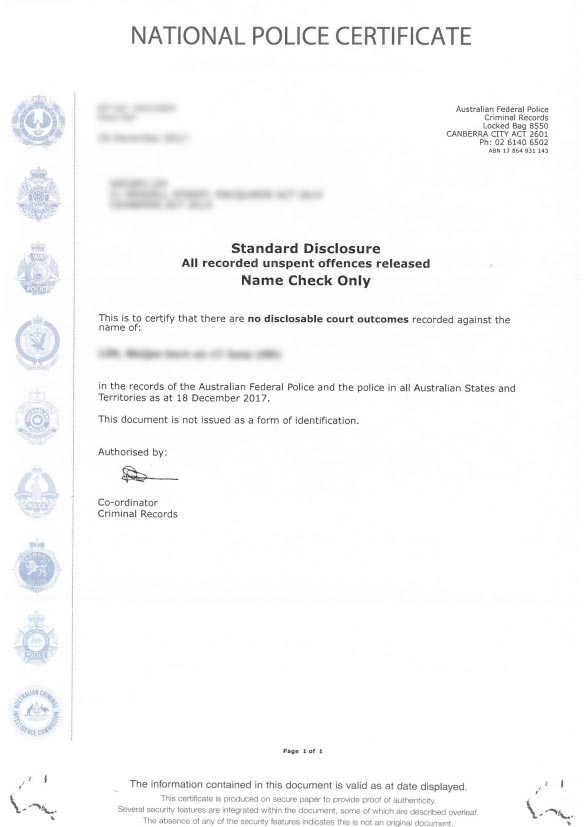

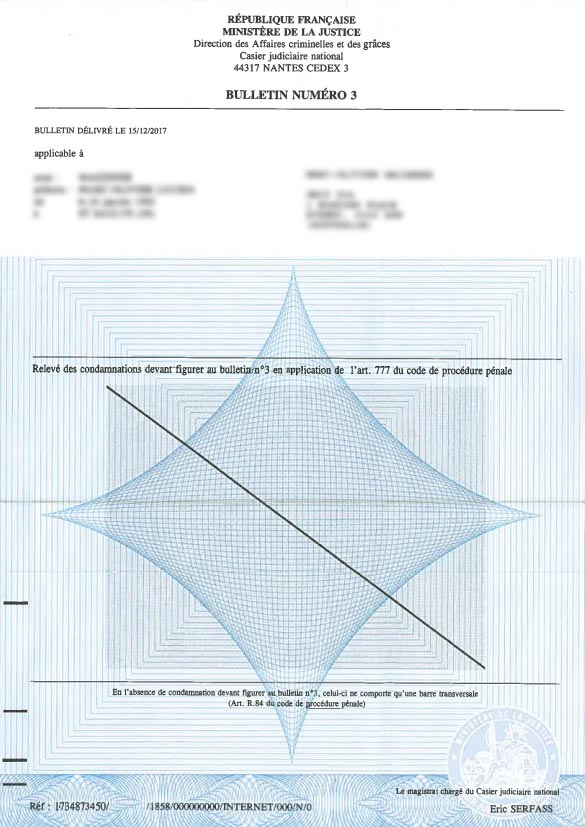
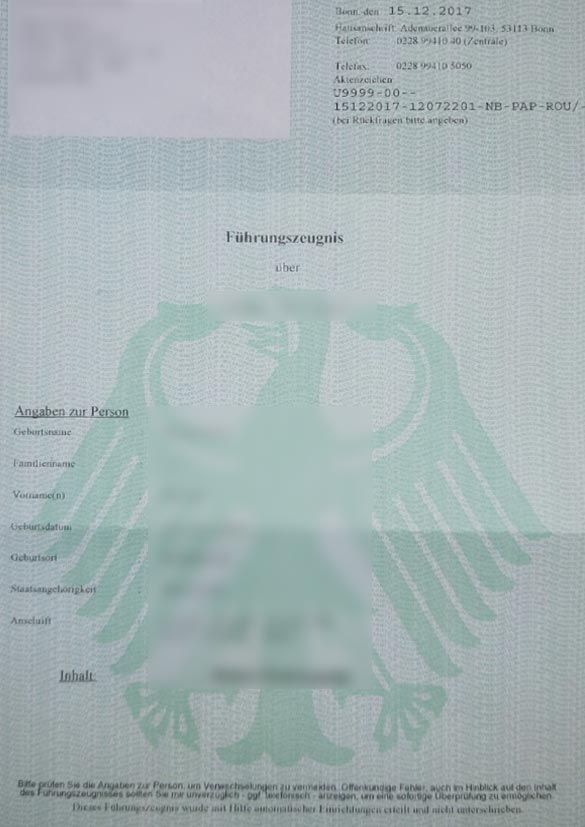
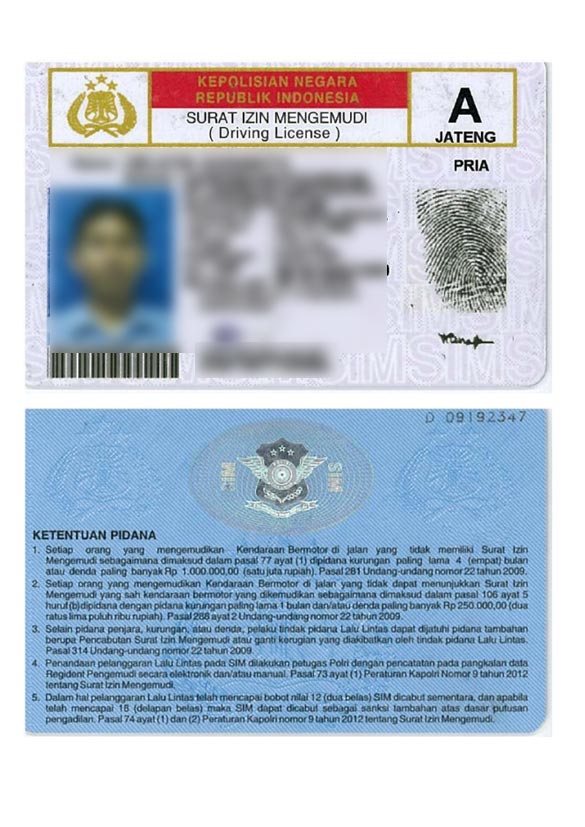
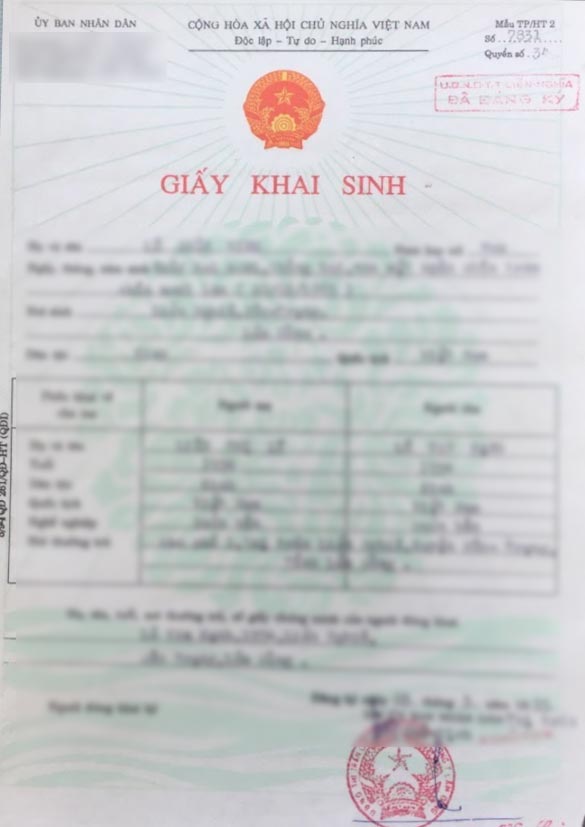
NAATI Certified Hungarian Translator Service
Other documents we translate:
- Hungarian driving licence translation
- Hungarian financial document translation
- Hungarian bank statement translation
- Hungarian birth certificate translation
- Hungarian marriage certificate translation
- Hungarian name-change certificate translation
- Hungarian degree translation
- Hungarian diploma translation
- Hungarian employment record translation
- Hungarian school transcript translation
- Hungarian passport translation
- Hungarian police report translation
- Hungarian no-criminal record translation
- Hungarian personal letters and cards
- Hungarian utility bill translation
- Hungarian death certificate translation
- Hungarian medical record translation
- Hungarian legal document translation service
- Certified Hungarian translation for AHPRA
- Certified Hungarian translation for Engineers Australia
- Certified Hungarian translation for IMMI, DFAT
- Certified Hungarian translator for UAC
- Hungarian to English translation for local Australian universities
- English to Hungarian translation for overseas universities
We provide both Hungarian to English translation and English to Hungarian translations by NAATI translators.
More Hungarian Translator Services
- Hungarian brochure translation
- Hungarian marketing translation
- Hungarian technical translation
- Hungarian medical translation
- Hungarian financial document translation
Perth NAATI certified translators for degree certificates are based all around Australia besides Perth, including Sydney, Melbourne, Brisbane and Adelaide.
